Category: Environment

  • Heterogeneous and Conditional Returns from DT Maize for Farmers in Southern Africa

    Heterogeneous and Conditional Returns from DT Maize for Farmers in Southern Africa

    Laura Paul

    European Review of Agricultural Economics 2021 (link)

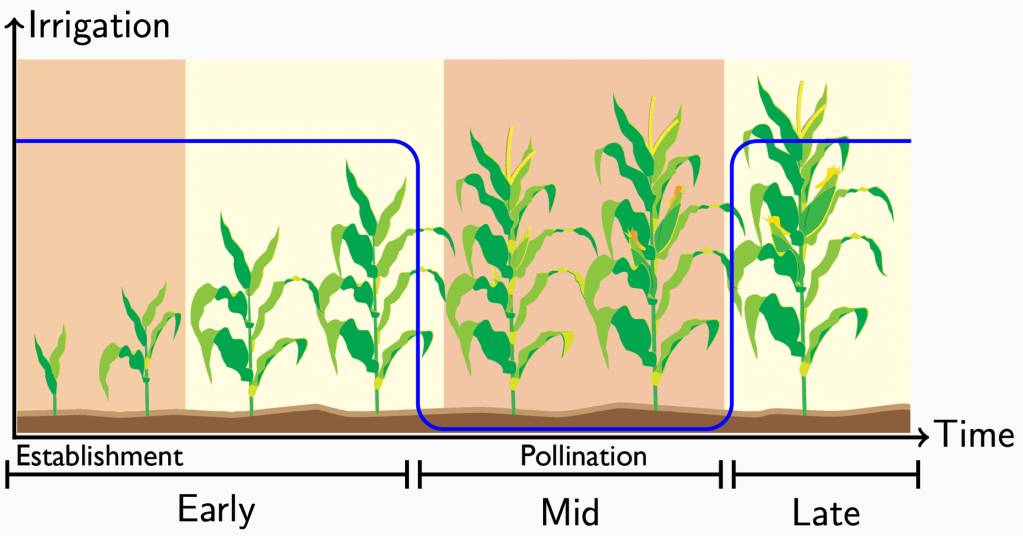
    Abstract: This paper assesses the return to DT maize using four years of data from on-farm yield trials and high-resolution precipitation data (10-day measurements at a 0.05° resolution) in southern Africa to assess claims of the DT maize advantage. On farms (rather than controlled trials) DT maize yield slightly exceeds that of other varieties: 7% higher yields on average, and 15% higher yields under moderate drought stress with additional heterogeneity in returns across high and low performing farms. For low-performing farms, a net loss of $10/ha of DT maize increases to a net gain of $30/ha in a drought year.

    Recording from Feed the Future Innovation Lab for Markets, Risk and Resilience Event in Washington, DC on October 31, 2019:
  • Demand for an Environmental Public Good in the Time of COVID-19: A Statewide Water Quality Referendum

    Demand for an Environmental Public Good in the Time of COVID-19: A Statewide Water Quality Referendum

    George Parsons, Laura Paul, and Kent Messer

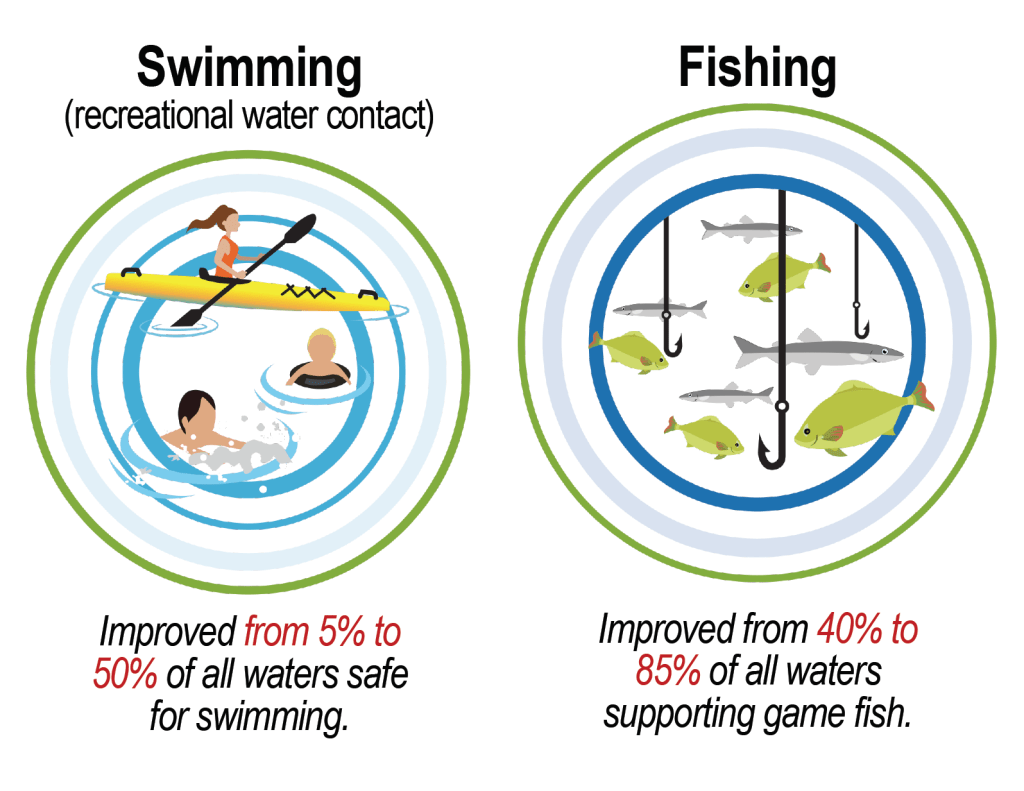
    Abstract: Due to COVID-19, many households face hardship — unemployment, an uncertain economic future, forced separation, and more. At the same time, the number of people participated in outdoor recreation is reported to be on the rise, as it was one of the few activities still permitted. How these experiences affect the public’s willing to pay for environmental public goods is unknown. During the pandemic, we conducted a stated preference survey to value statewide water quality improvements in Delaware. While a majority of participants report experiencing hardship of some sort (economic, emotional, etc.), mean household WTP declined by only 7% post-COVID. Based on our results, legislation being debated at the time of the outbreak passes a benefit-cost test (and majority vote) either pre- or post-COVID.

  • Nudge or Sludge? An Experimental Game Illustrating How Misunderstood Scientific Information Can Change Consumer Behavior

    Nudge or Sludge? An Experimental Game Illustrating How Misunderstood Scientific Information Can Change Consumer Behavior

    Laura Paul, Olesya Savchenko, Maik Kecinski, and Kent Messer

    Scientific information can be designed to help people understand and describe the natural world. Consumers regularly seek out information about their food and drink to help inform their decisions. While this search is generally viewed as a positive process, it becomes troubling when consumers respond negatively to scientific information, even when this scientific information does not intend to convey a negative signal. This misunderstanding and stigmatization can be difficult from the perspective of federal and state regulations related to the labeling of food and drink. Labels have often been compared to the “nudges” popularized by behavioral economics. Nudges are low-cost interventions made at the time of a decision, and they can have large effects on behavior, but they have been referred to as “sludges” when they end up misleading people. The objective of this paper is to introduce an engaging and interactive classroom activity using a second-price auction and an informational label treatment to introduce behavioral economics and measurement of its effects. Additional classroom discussion topics are presented, including comparing nudges and sludges, the public response to the treatment of tap water, and the role of safety information in consumer response.