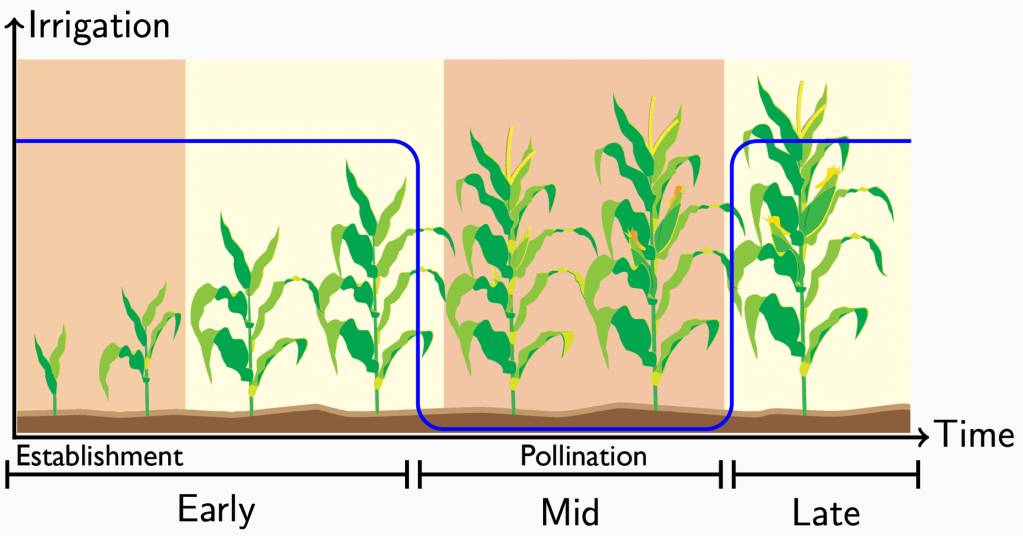
Heterogeneous and Conditional Returns from DT Maize for Farmers in Southern Africa

Laura Paul

European Review of Agricultural Economics 2021 (link)

Abstract: This paper assesses the return to DT maize using four years of data from on-farm yield trials and high-resolution precipitation data (10-day measurements at a 0.05° resolution) in southern Africa to assess claims of the DT maize advantage. On farms (rather than controlled trials) DT maize yield slightly exceeds that of other varieties: 7% higher yields on average, and 15% higher yields under moderate drought stress with additional heterogeneity in returns across high and low performing farms. For low-performing farms, a net loss of $10/ha of DT maize increases to a net gain of $30/ha in a drought year.

Recording from Feed the Future Innovation Lab for Markets, Risk and Resilience Event in Washington, DC on October 31, 2019:
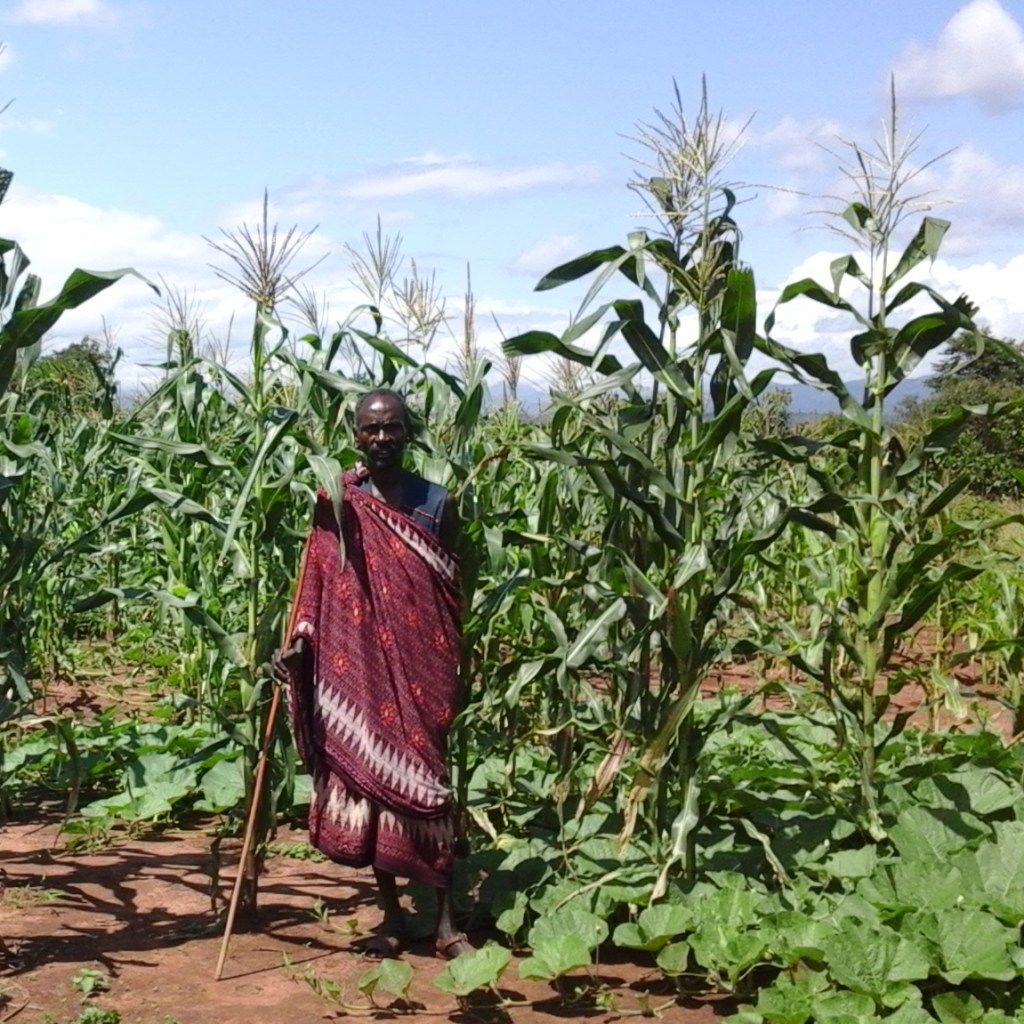
Bundling Stress Tolerant Seeds and Insurance for More Resilient and Productive Small-scale Agriculture

NBER Working Paper No. 29234 (link)

Steve Boucher, Michael Carter, Jon Einar Flatnes, Travis Lybbert, Jonathan Malacarne, Paswel Marenya, and Laura Paul

Risk often inhibits on-farm investment by smallholder farmers. Recent evidence indicates that index insurance and stress tolerant seeds can separately and partially offset this risk effect. In this study, we explore whether the complementarities between these two risk management technologies can be harnessed to underwrite a resilient, high productivity small farm sector. Utilizing a multi-year randomized control trial that spanned two countries and exploits natural variation in weather shocks, we find that drought tolerant maize seeds mitigate the impact of mid-season drought. Compared to farms in control villages, where shocks have persistent effects that reduce future investment and productivity, those with access to both drought tolerant seeds and multi-peril index insurance show greater resilience and immediately bounce back from shocks. Experiential learning is key to realizing this resilience effect: Farmers who experienced shocks intensify their subsequent use of the technologies and exhibit what we call resilience-plus, while those who did not experience shocks disadopt. Together these findings showcase important complementarities between these risk mitigating technologies and the crucial role learning plays in tapping their potential stochastic and dynamic benefits to small farmers.